


New players often treat a casino promotion and a game’s own bonus round as the same thing, but they are separate. The sugar rush slot new zealand game is supplied by Pragmatic Play, while any welcome offer, free-spin campaign or promo code comes from the casino hosting it. Understanding that distinction helps you assess an offer without assuming that a colourful slot automatically qualifies for every promotion advertised by an operator.
What counts as a bonus for a new player?
A new-player bonus is a promotional offer attached to a casino account, not a feature built into an individual slot. Common examples include bonus funds, free spins, deposit matches and introductory campaigns. The exact form varies between operators, and an offer may be limited to selected games, payment methods, regions or account types. The existence of the slot does not confirm that it is included.
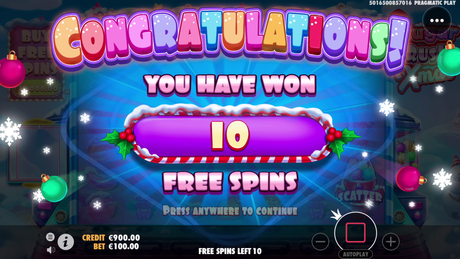
The game itself has a separate Free Spins feature. Three to seven scatters can award between 10 and 30 free spins, with additional scatters potentially retriggering the feature. These spins arise from the game’s rules and do not represent free spins granted by a casino promotion. Likewise, a Bonus Buy option, where available, is a paid game mechanic rather than a complimentary reward.
Before treating an offer as suitable, identify which organisation controls each part. Pragmatic Play supplies the game software, but the casino sets account eligibility, promotional conditions and withdrawals. A useful first check is whether the terms name the slot specifically, list it within an eligible game category or exclude it altogether. If the wording is unclear, ask the operator before depositing or wagering.
Read the conditions before choosing an offer
The headline value of a promotion is rarely enough to judge it. Look for the wagering requirement, the qualifying deposit, the time limit and the maximum stake allowed while bonus funds are active. Also check whether winnings from bonus funds are capped, whether a minimum odds or game contribution rule applies, and whether the promotion expires when a withdrawal is requested.
Game contribution is particularly important when choosing a slot. A casino may count some games fully towards wagering but assign others a reduced percentage or exclude them. The published information does not establish any particular contribution rate here, so it should not be assumed. The same caution applies to free-spin winnings: the operator may apply separate playthrough rules, expiry dates or maximum withdrawal limits.
For a practical comparison, write down the details that affect the real value:
- Eligibility: whether the offer is limited to genuinely new customers or particular account and payment conditions.
- Cost: the required deposit and whether the bonus itself can be withdrawn immediately.
- Playthrough: how many times qualifying funds or winnings must be wagered.
- Game treatment: whether this slot contributes fully, partly or not at all.
- Expiry: when the offer and any resulting winnings become invalid.
Consumer guidance is useful when promotional wording feels difficult to interpret. The New Zealand Department of Internal Affairs gambling information provides general context about gambling regulation and consumer considerations; it does not confirm the terms of any individual casino promotion.
Why the game’s mechanics do not guarantee bonus value
The slot uses a 7×7 grid and cluster wins rather than conventional paylines. Groups of at least five matching symbols connected horizontally or vertically can disappear, allowing new symbols to tumble into position. This can create several wins during one spin, but a promotional offer does not change the underlying uncertainty of those outcomes.
Marked positions can activate multipliers when later winning symbols land in them during the same tumble sequence. In the base game, multipliers may rise from 2× to 128×, while marked positions and their multipliers can remain through the Free Spins feature. These mechanics may make the game attractive to some players, but they should not be used as evidence that wagering requirements will be completed quickly.
The commonly listed theoretical RTP is 96.50%, although operators may use lower configurations such as 95.50% or 94.50%. The active setting should be checked in the game’s information or paytable screen. RTP is a long-run mathematical measure, not a prediction for a short session, and it does not remove the risk of losing a deposit or bonus balance. A high-volatility description also means results can vary substantially.
Compare the promotion with the way you intend to play
A bonus can be less useful if its conditions force you to play differently from your original plan. Someone seeking short, controlled sessions may find a time-limited offer inconvenient, especially if completing the requirement encourages longer play. Someone who prefers a particular stake level may also be affected by maximum-bet rules that make larger wagers ineligible or void the bonus.
Consider whether the offer requires a deposit before any reward appears. A deposit match may provide extra wagering funds, but it can also leave the original deposit and promotional balance subject to separate conditions. Free spins may seem simpler, yet their winnings can have their own wagering requirement, game restrictions and expiry. Never assume that “free” means immediately withdrawable.
It is sensible to compare an offer with a no-bonus option if the operator provides one. Playing without promotional funds may mean fewer restrictions, while accepting a bonus may add value only when the requirements are realistic for your budget and intended session length. Do not increase the stake merely to clear an offer, and do not regard a maximum advertised win of 5,000 times the stake as a likely result or an income opportunity.
Check the operator’s responsibilities separately
Because the game does not hold accounts, it cannot handle registration, age checks, identity verification, password recovery, deposits, withdrawals or complaints. Those responsibilities sit with the casino providing access. The same operator controls whether New Zealand customers can use the game, what currency is supported, which promotions apply and how winnings from a campaign are processed.
Before accepting an offer, check the casino’s full promotional terms and its account controls. Look for deposit limits, session or reality-check tools, time-out options and self-exclusion information where available. These controls are not established as features of the game itself. If you have questions about a locked account, missing free spins, a disputed wager or a withdrawal restriction, contact the hosting casino rather than the game developer.
Keep a record of the offer’s terms at the time you opt in, including the expiry date and qualifying transaction. Promotional pages can change, and a screenshot or saved copy can help clarify what was displayed. If the operator cannot explain an important condition in plain language, postponing the promotion is safer than relying on assumptions. The most useful bonus is one whose cost, restrictions and exit conditions you understand before playing.
Questions new players commonly ask
Is the Free Spins feature the same as a welcome bonus?

No. The Free Spins feature is built into the slot and is triggered by scatters during play. A welcome bonus is a separate casino promotion. Its eligibility, wagering rules, expiry, game contribution and withdrawal conditions are determined by the operator hosting the game.
Can every new-player bonus be used on this slot?
No. Casinos may exclude particular games or count them at a reduced contribution rate. They may also restrict free spins to a specified title or stake range. Read the current promotional terms and ask the operator if the game’s eligibility is not stated clearly.
Does the RTP show how much a bonus will return?
No. RTP is a theoretical long-run percentage for the game configuration, not a guarantee for one session or a measure of promotional value. Check the active RTP in the information screen, then assess the bonus separately through its wagering, expiry and maximum-bet conditions.